This didn't start with vinyl.
I grew up around it, performed it, DJ'd it, talked about it on the radio, helped put on a festival, disappeared down endless musical rabbit holes and spent years listening to whatever sounded interesting regardless of whether it fitted neatly into a genre.
Vinyl came later. Or, more accurately, vinyl came back and gave all of that curiosity something physical to hold.
Tapes, headphones and a lot of Bon Jovi
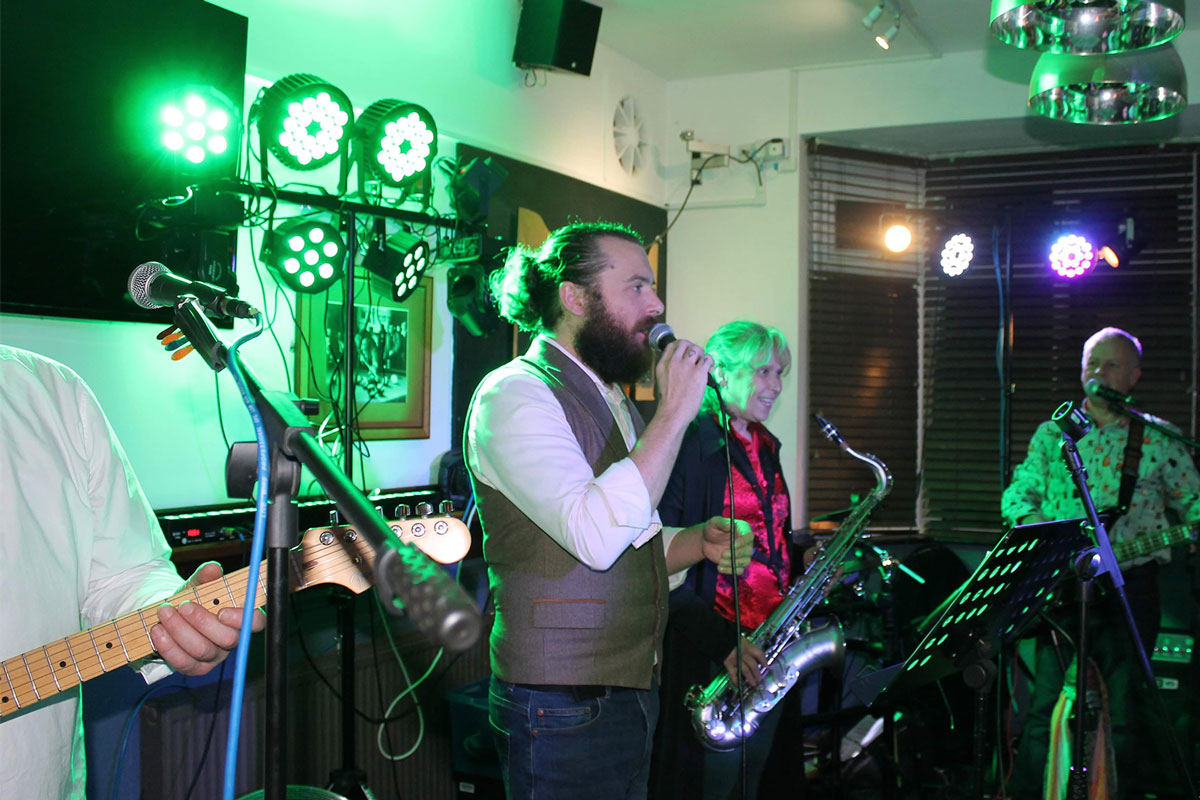
There was a Walkman, because I am apparently now old enough to write sentences beginning with there was a Walkman. I remember listening to the Top Gun soundtrack through headphones over and over again and loving how completely music could take over when there was nothing else competing with it.
The first CD I bought with my own money (technically pocket money) was Bon Jovi's Cross Road. Over the years that became hundreds of CDs, most of which I eventually gave away to a friend. At the time that seemed completely sensible.
In hindsight, building a website about physical music shortly afterwards was probably inevitable
Music was around at home too. My dad, Bill Gyford - better known in his jazz days as Binky Pollock - played jazz, so live music was part of the background while I was growing up. There is still a little corner of that history online through the Barry Tyler Jazz Band website.
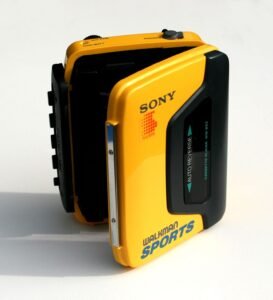
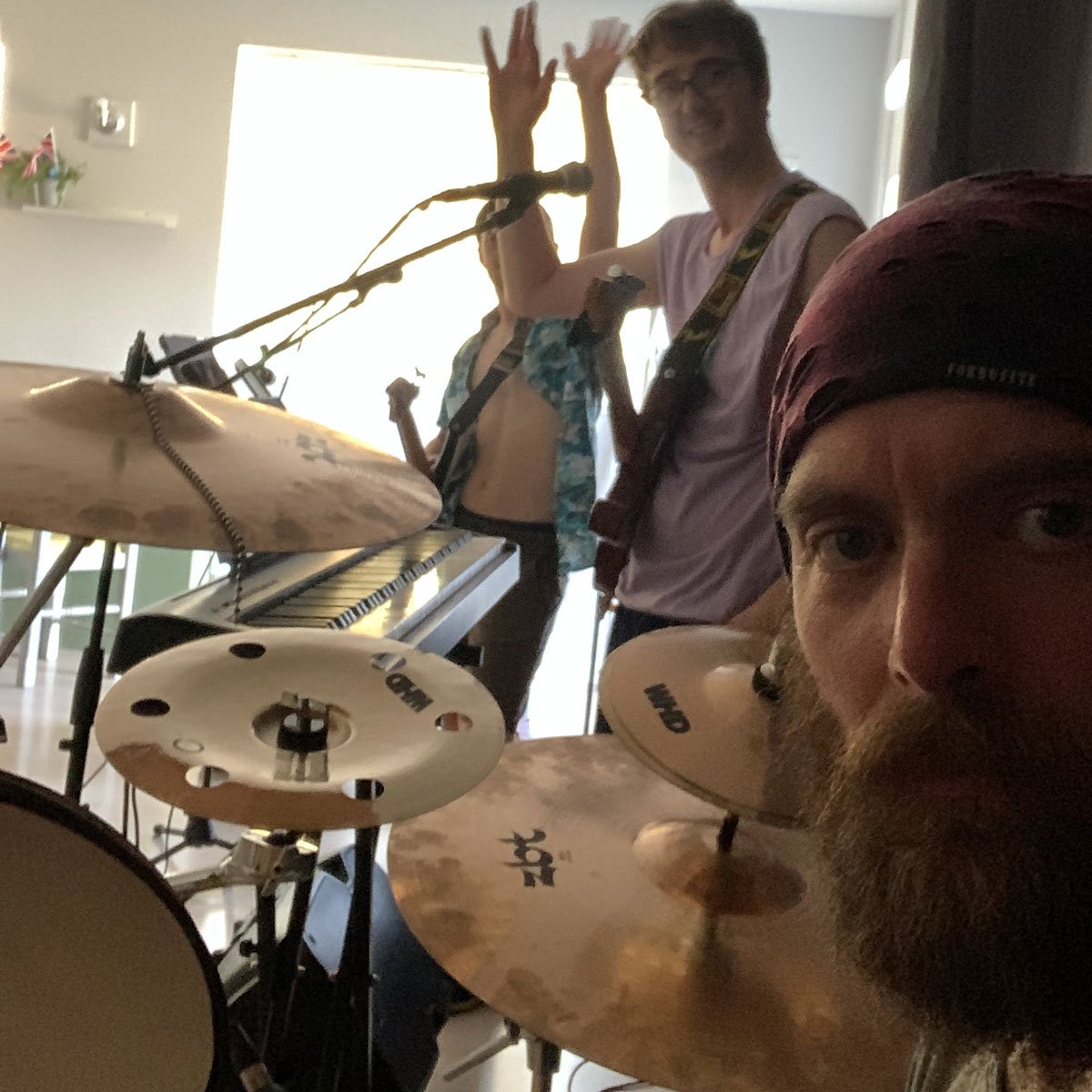
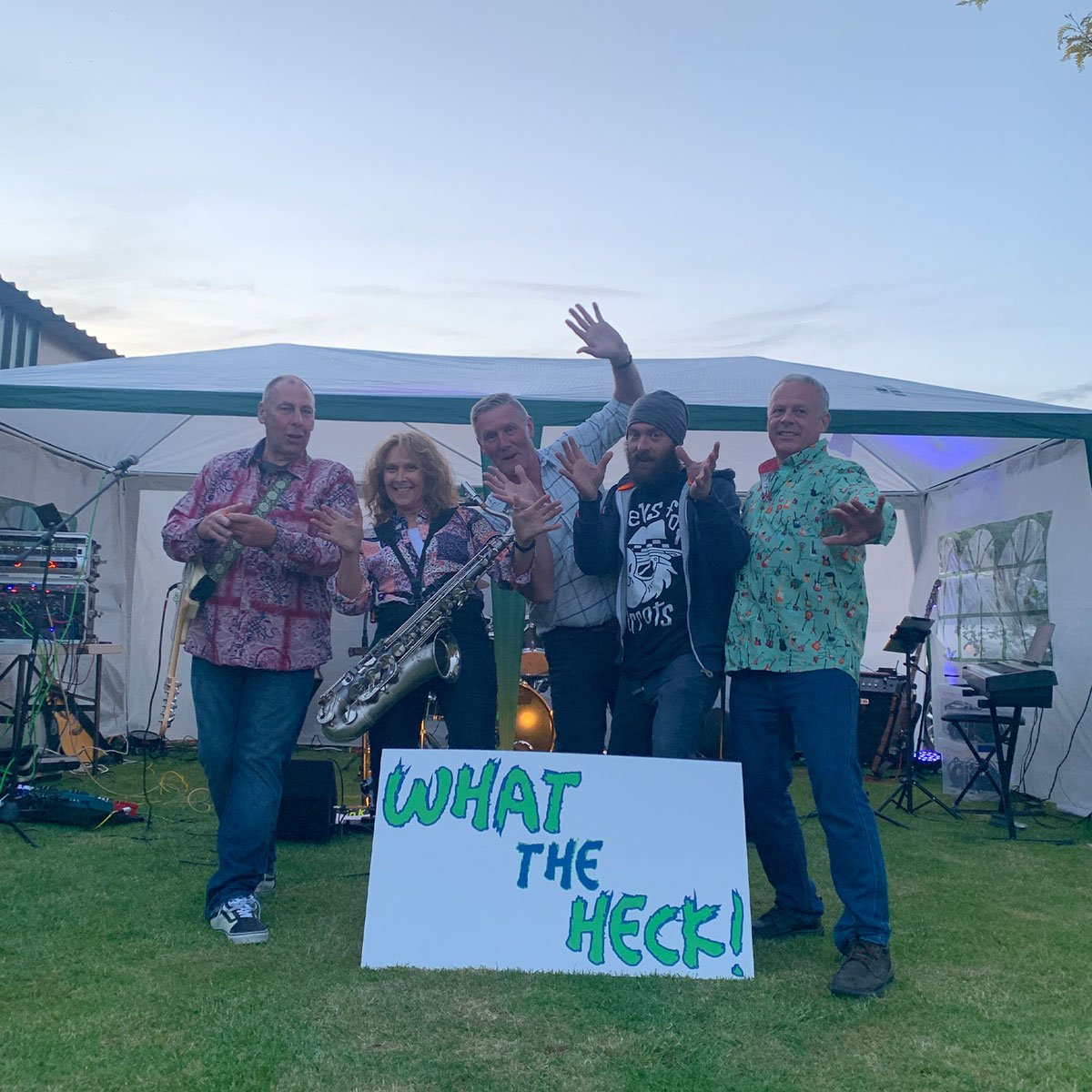
I did theatre productions as a kid, later played a bit of piano and guitar, and at various points ended up in bands as both a piano player and singer/frontman. I was considerably better on this side of the speakers, but for pub-band level I could just about get away with it.
Twelve years as a by-the-hour DJ
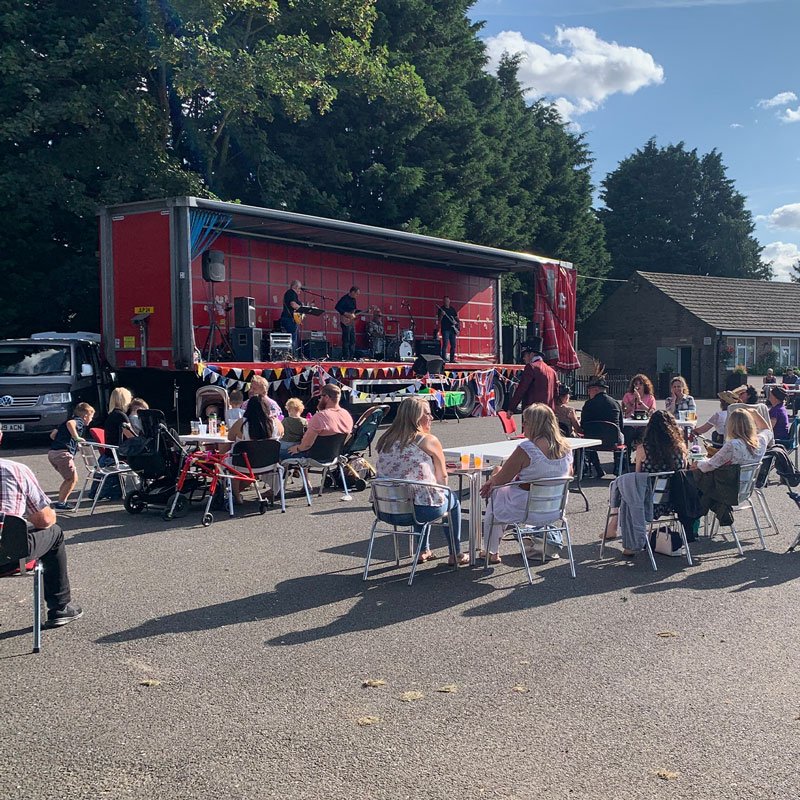
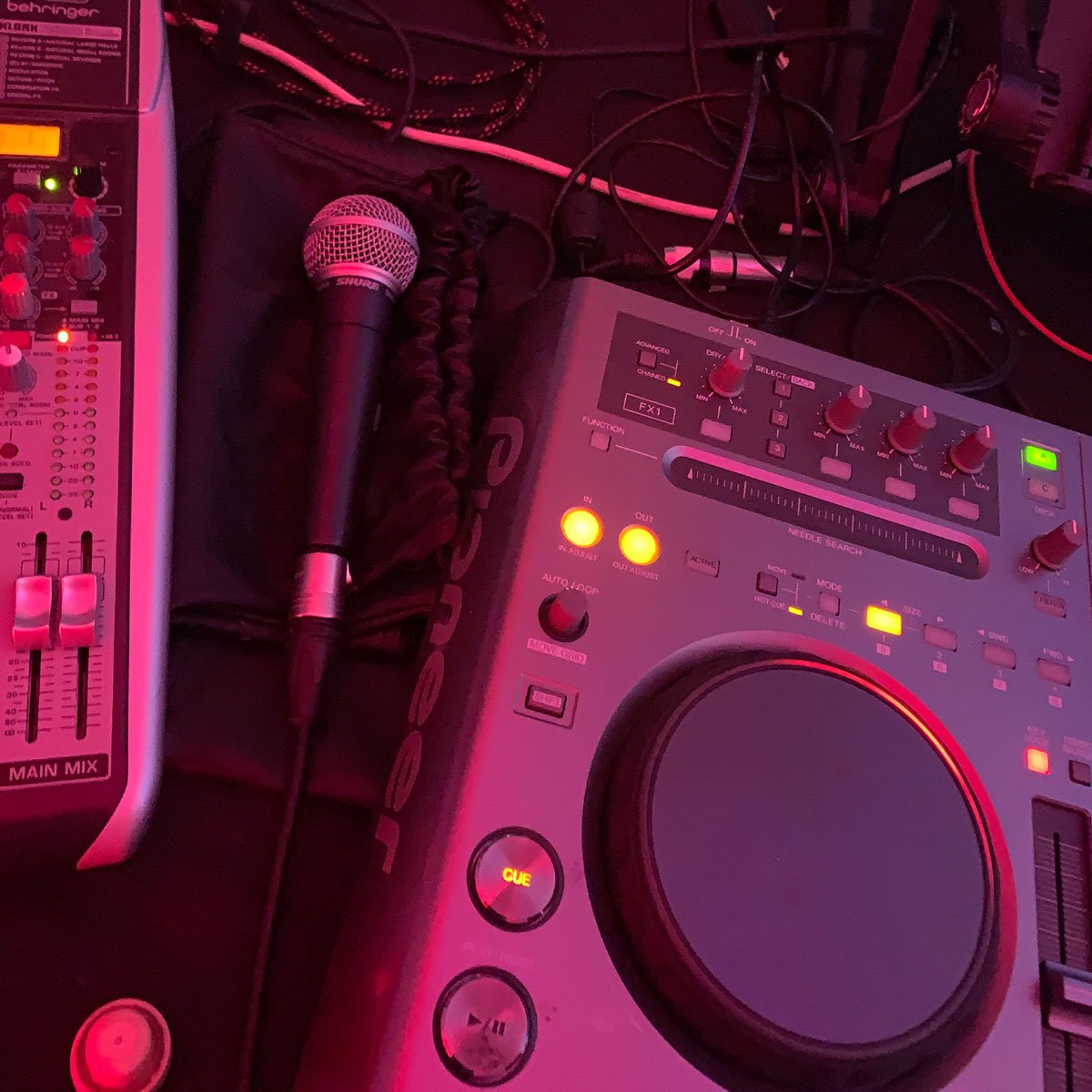
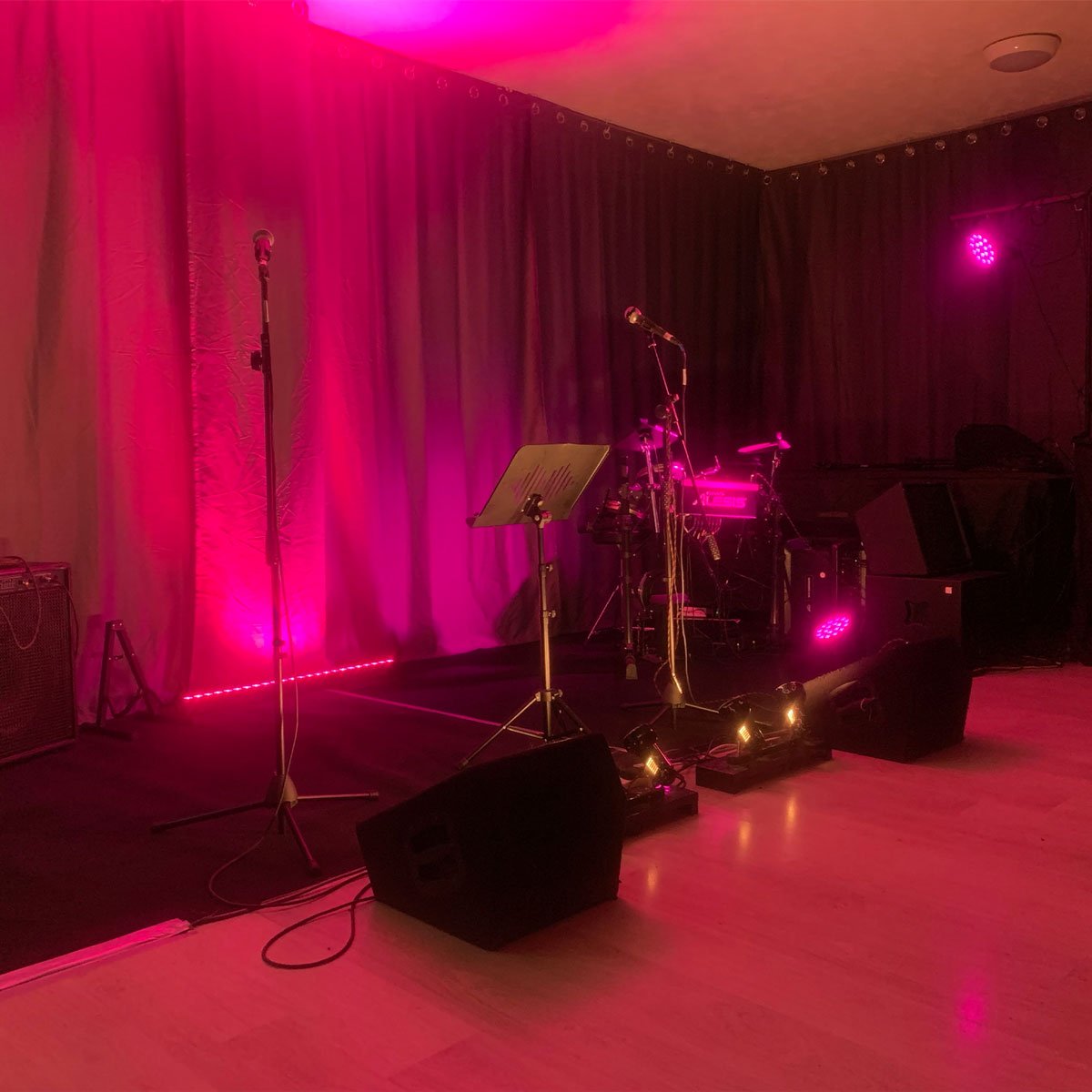
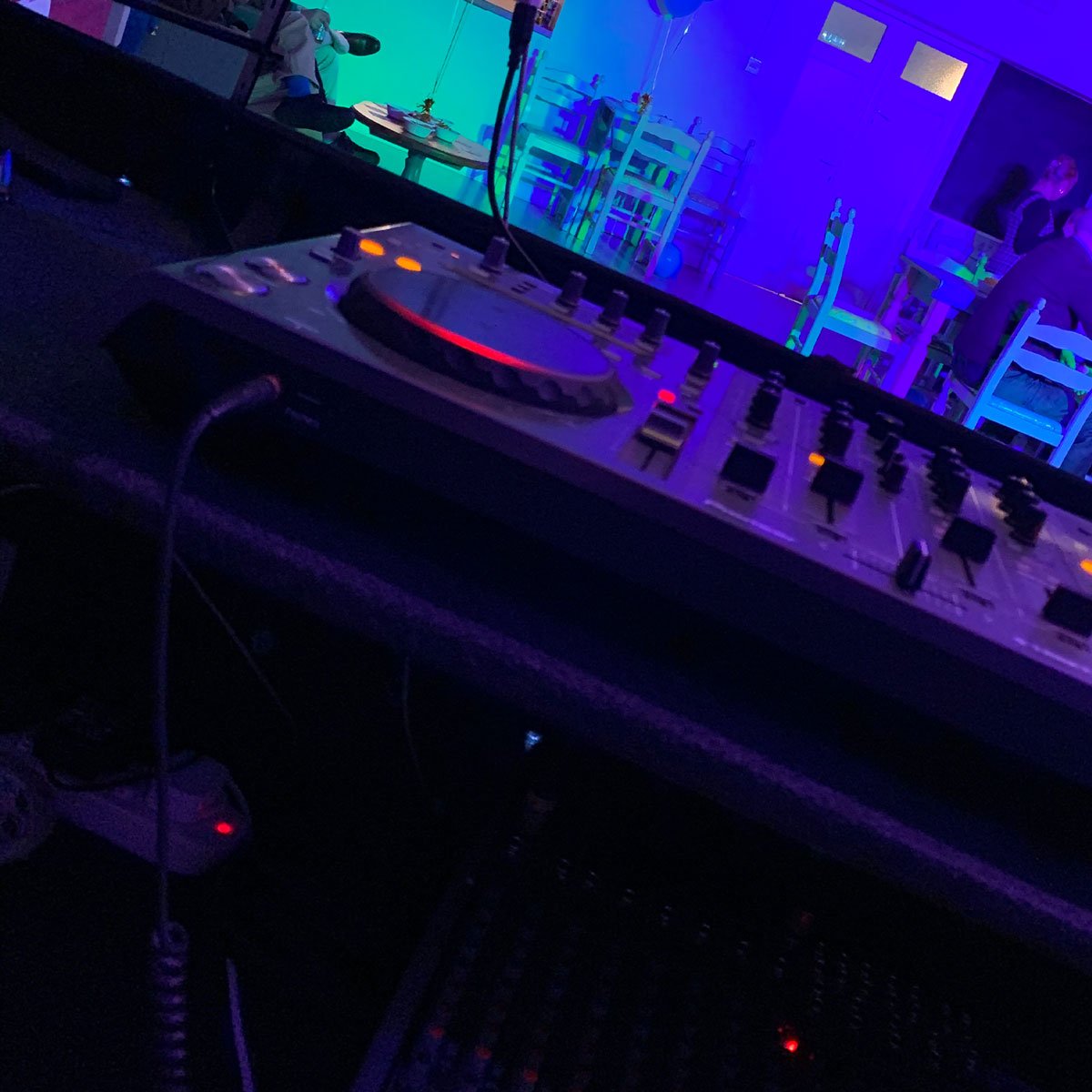
There was no carefully cultivated underground identity. I was the classic by-the-hour DJ - weddings, pubs, clubs, parties and whatever else paid someone to turn up with music and keep people moving.
That meant playing almost everything. Years spent clubbing, sitting in pubs and effectively hoarding the jukebox had already taught me that I was much more interested in whether something worked than whether it belonged to the right scene.
Somewhere in amongst all of that I also helped run a local venue and organise Heckfest, a one-day music festival that somehow managed to happen for two years running. It was chaotic, great fun and, in retrospect, further evidence that music had already become less of a hobby and more of a recurring condition.
Behind the Beats, Radio HLR and the rabbit holes before the records
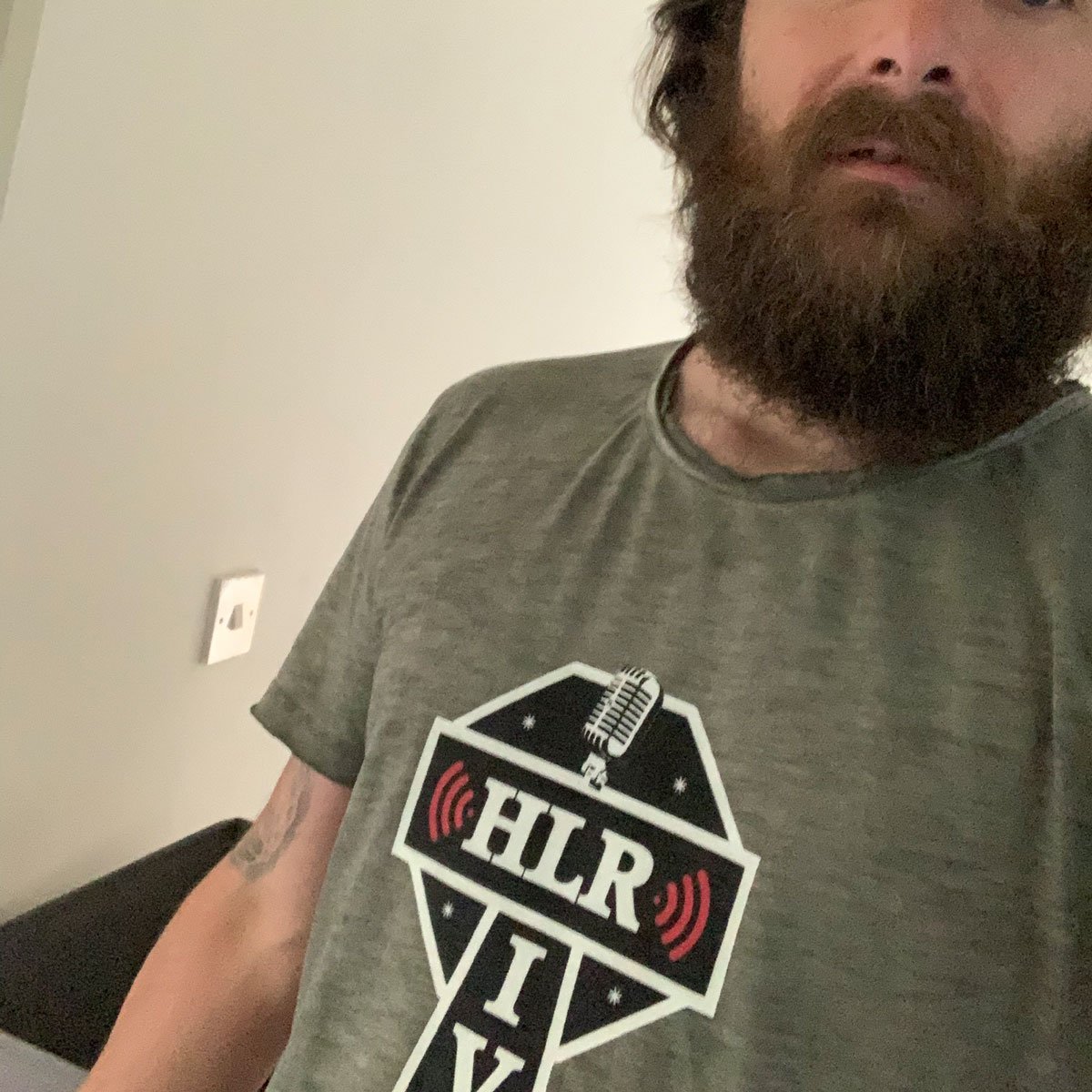
For a while, the obsession found its perfect outlet in community radio.
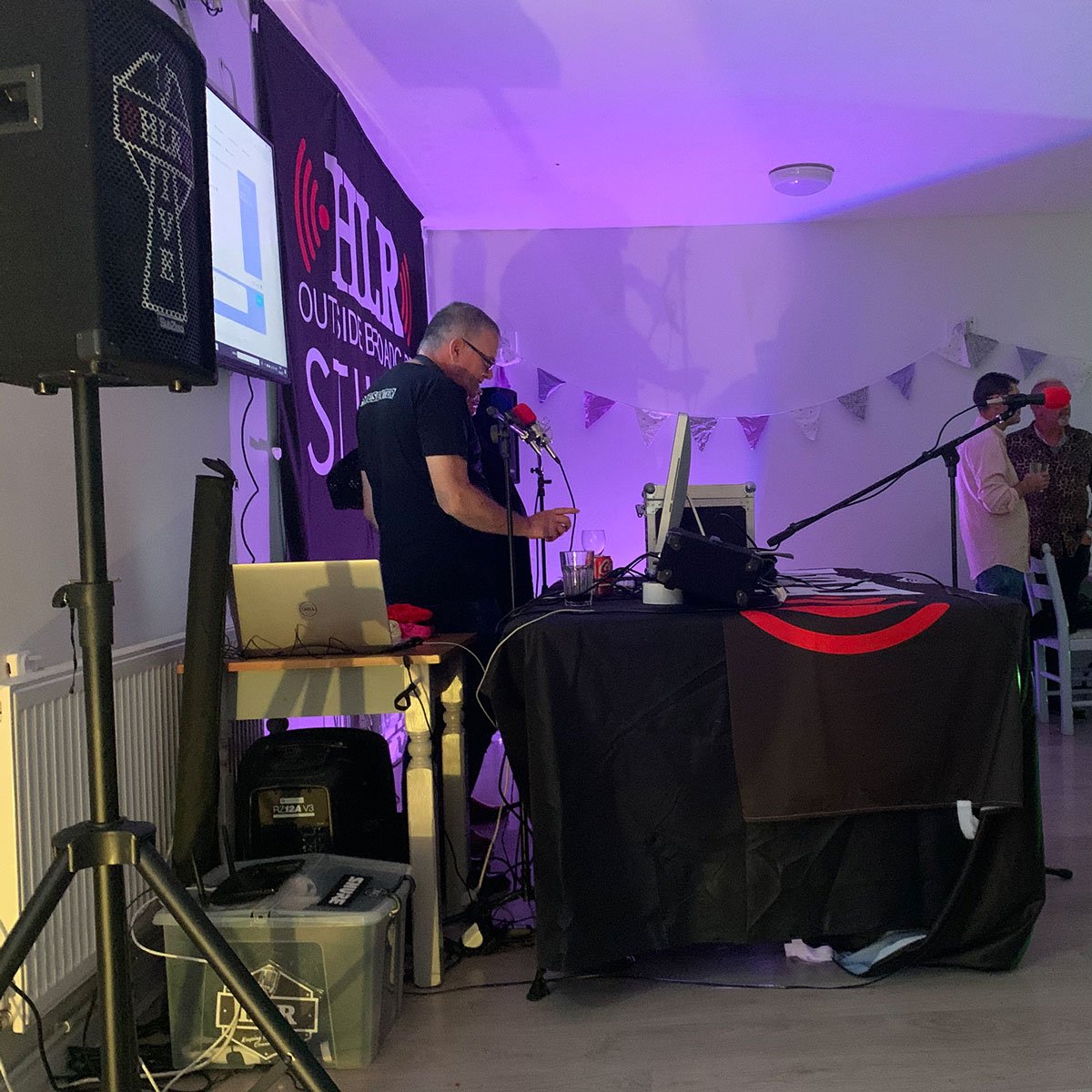
On Radio HLR I presented two shows: Behind the Beats, and later Music Talks after a regular co-host changed the format slightly.
For reasons best left in the past, I was broadcasting as Spanky Williams.
The old introduction/advert went like this:
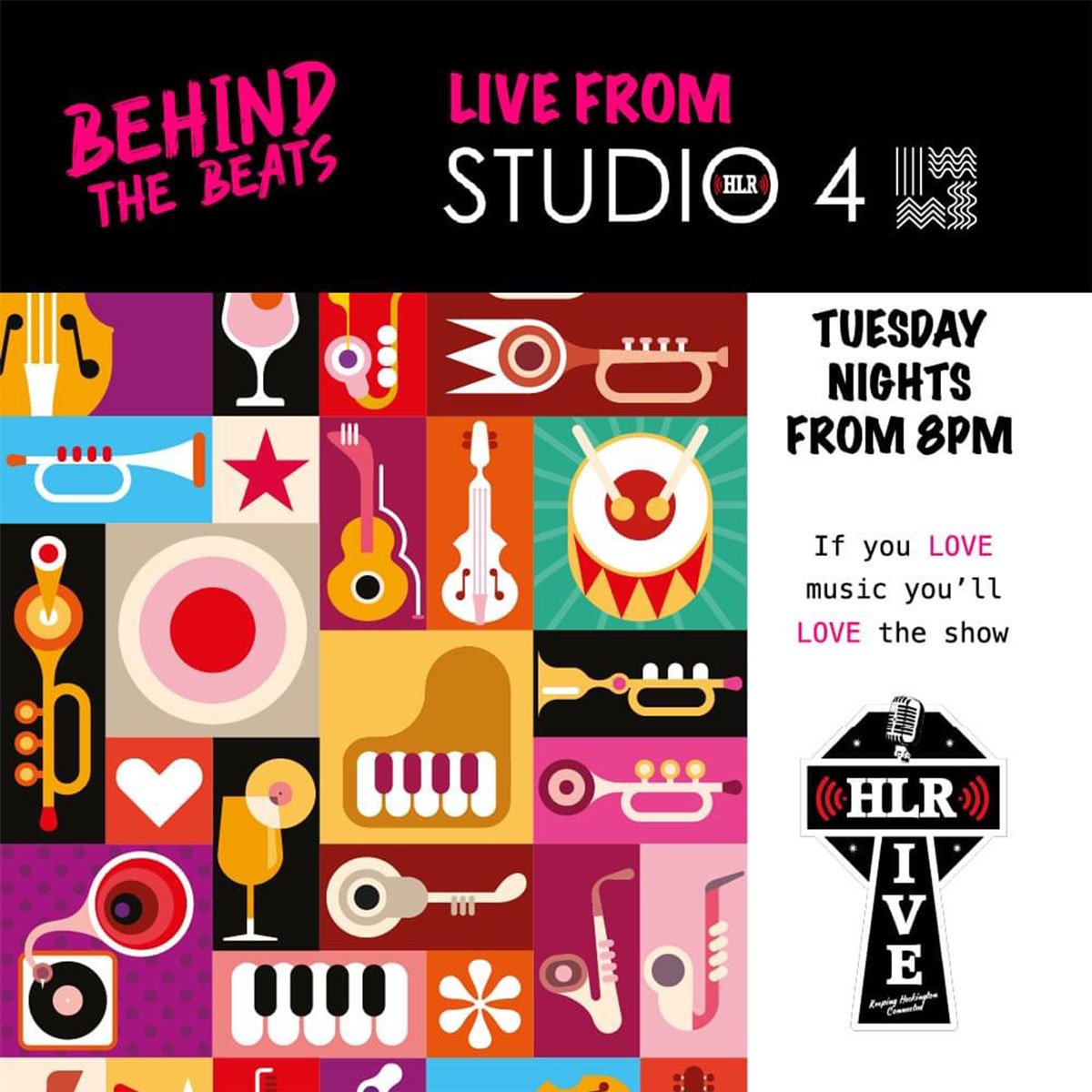
Join me, Spanky Williams on Behind the Beats every Tuesday night from 8 as we journey through the genres. Each week I'll showcase some of the world's most unexposed music from uncelebrated artists to legendary music producers. If you love music, you'll love the show.
There were around 56 shows in total, and I have recently rediscovered some of them on Mixcloud, which is both brilliant and mildly terrifying.
The show worked in much the same way this website does now. I would hear something I liked, start reading about the artist, find another musician connected to them, discover an older record, a sample, a producer or an entirely different genre, and suddenly several hours had disappeared.
I was never particularly interested in playing something because I was supposed to know it. If it sounded good and it was not getting much attention, that was usually enough reason to put it on the show.
Some programmes had proper themes. One of my favourites traced covers and samples: play the version most people knew, then follow it backwards to the record it borrowed from. Looking at those old playlists now - Daft Punk next to Haydn, Ibrahim Maalouf next to Beethoven, electro swing alongside Billie Jean, Wax Tailor, Nina Simone and James Brown - it is fairly obvious that journey through the genres was not just radio copy. It was basically how I listened to music.
Vinyl made listening an event again
But somewhere along the way streaming also made music easier to stop paying attention to. It could run all day and slowly become background noise.
Physical music changes that.
If I put a record on, I have made a choice. I have picked an album, taken it from the shelf, put it on the turntable and decided that this is what I am listening to now.
That small bit of friction matters more than I expected. It turns listening back into an event.
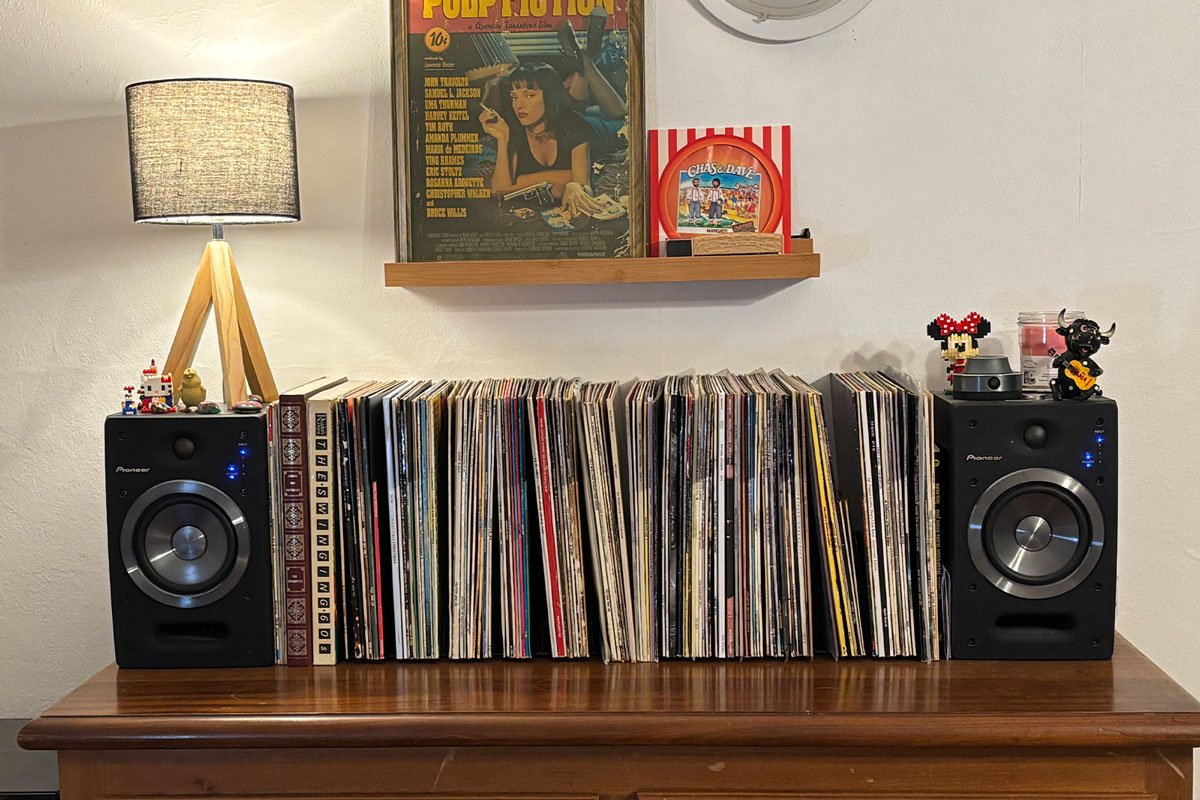
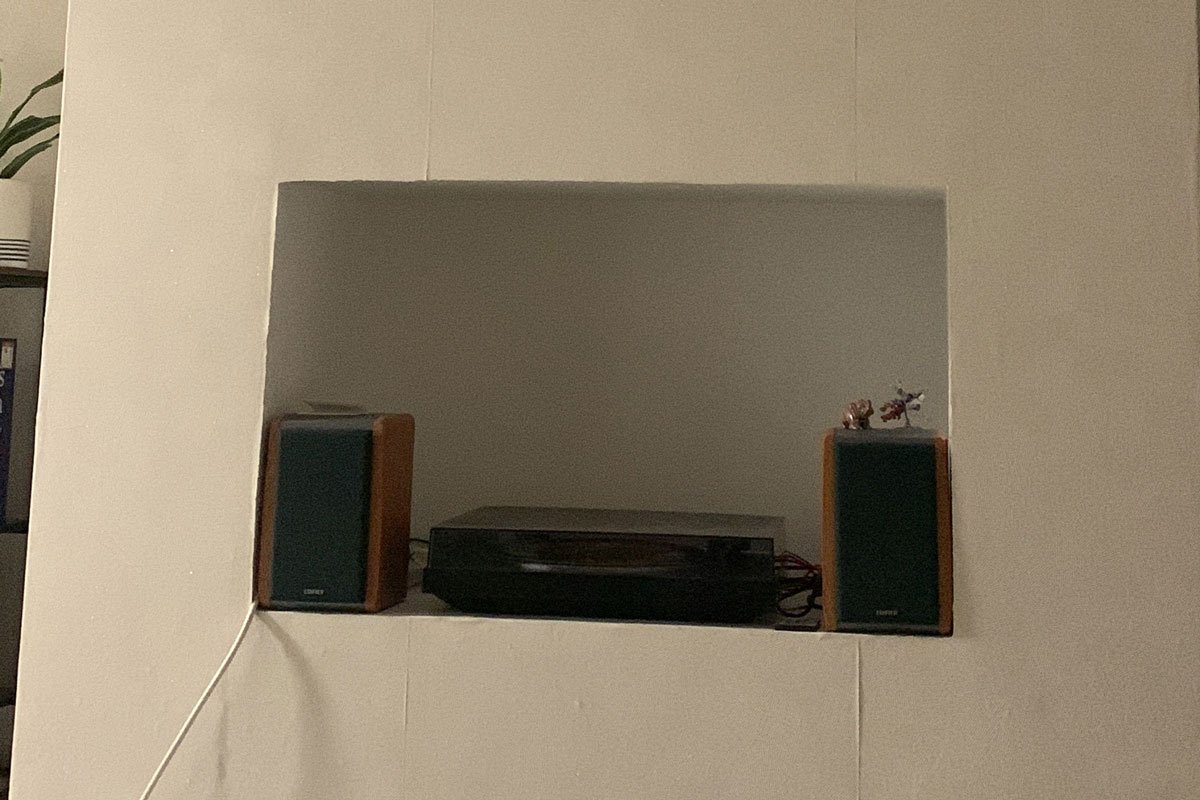
Around 2024, a friend gave me a turntable. For a while it sat there with a small collection, a few Beatles records, Chas & Dave and whatever else had found its way in. Then the collection started growing. Charity shops. Brocantes. Gifts. Record shops. Cheap punts. New pressings. Record roulette: buy something because it looks interesting and find out what it is when the needle goes down.
Then I started looking more closely at the records themselves.
And that was where things got completely out of hand.
The music in the grooves is only half of it
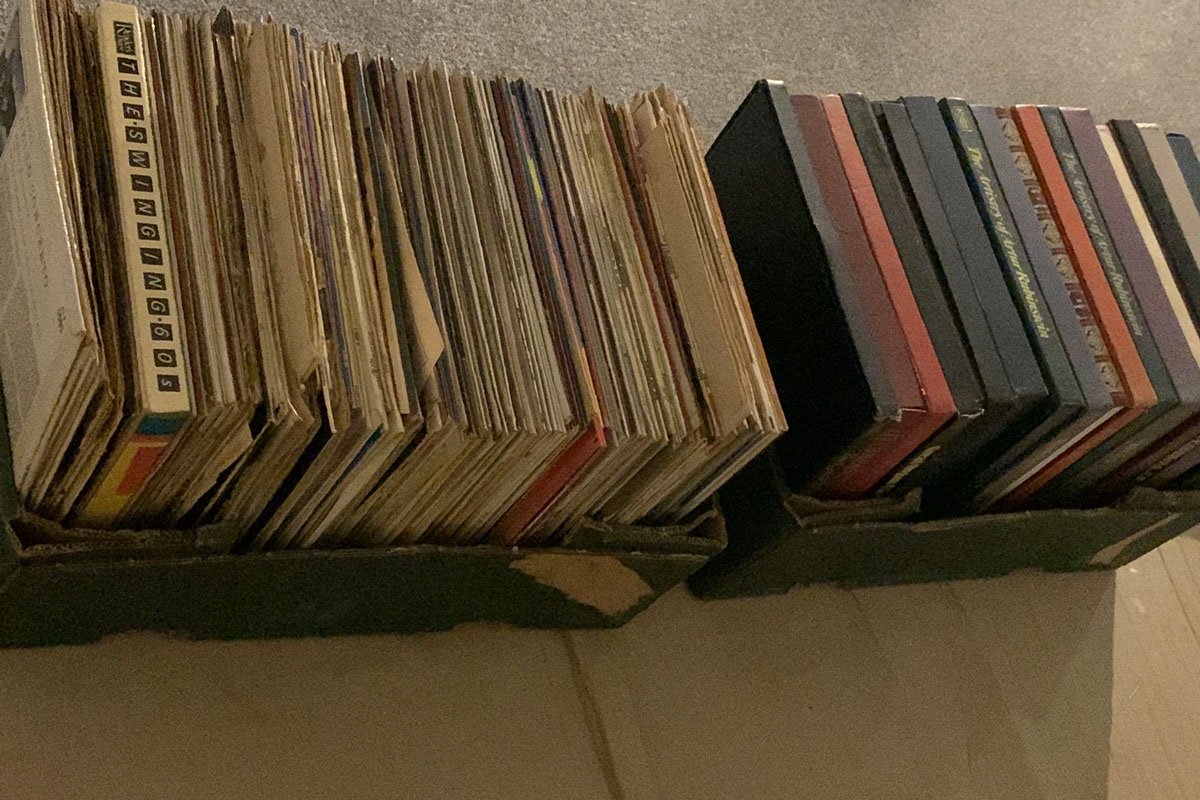
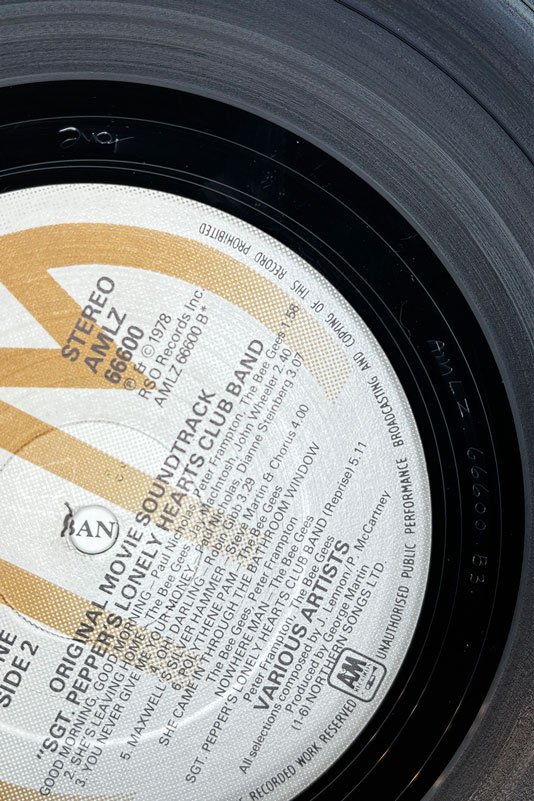
It has a sleeve somebody owned before me. A label. A pressing plant. Tiny marks in the runout. Maybe a library sticker, a signature, a name written in biro or a scratch that looks terrifying but somehow makes almost no noise at all.
Following those details led me into pressing plants, mastering engineers, metalwork, manufacturing codes, grading arguments and all the tiny bits of industrial history that survive on an object made decades ago.
That is really where Not Another Vinyl Collector came from. Not from deciding I needed to become a vinyl expert, but from realising that the same instinct that once made me research a track for a radio show now made me want to know how the fuck did this particular record get here?
Learning in public without pretending there is one correct way to collect
I am not a dealer, mastering engineer, archivist or lifelong vinyl authority.
I am someone who has spent most of his life around music and has become extremely interested in this particular way of experiencing it.
That distinction matters to me because record collecting can occasionally disappear up its own arse. You do not need the right turntable, the first pressing, an immaculate Near Mint sleeve or a list of approved albums before you are allowed to call yourself a collector.
Sometimes a battered €1 record is brilliant. Sometimes a reissue sounds fantastic. Sometimes the copy that looks worst plays best. Sometimes the thing everyone says you must own does absolutely nothing for you.
I would rather document what I actually hear, what I actually find and what the physical evidence on the copy actually says. If I get something wrong, I want to correct it. If the record disagrees with the internet, I want to preserve the disagreement and work out why.
Curiosity matters more to me than collecting credentials.
The name may eventually become the joke
The site is called Not Another Vinyl Collector, but I can already see where this is going.
Vinyl is the starting point. Then there are CDs again. Cassettes. Old formats I have not even started buying yet. Turntables, amplifiers, speakers and the increasingly ridiculous amount of audio equipment I am already imagining owning.
What interests me is not really one format. It is the long, strange history of the ways we have recorded music, carried it around, played it back and built rituals around listening to it.
So if, a few years from now, this supposedly vinyl-focused website has become an archive of records, tapes, CDs, forgotten formats and far too much audio equipment, the name will probably be more accurate than ever.
One bloke. Far too much music to investigate properly.
There are Record Stories about individual physical copies, a Journal for everything that escapes those records, a grading system designed around what I actually hear and see, and an archive that will keep growing as the collection does.
The music is still the point.
Everything else, the formats, the sleeves, the scratches, the pressing plants, the equipment and the stories, is what makes listening to it even more interesting.